Location
Aachen, Germany
Use cases / Ford Locking Nuts
Alloy wheels are a common target for thieves, and the mass-produced security nuts meant to protect them can be easily bypassed or copied.
Ford saw an opportunity to rethink this whole approach – using design automation and additive manufacturing to create something far more secure and personal to each driver.
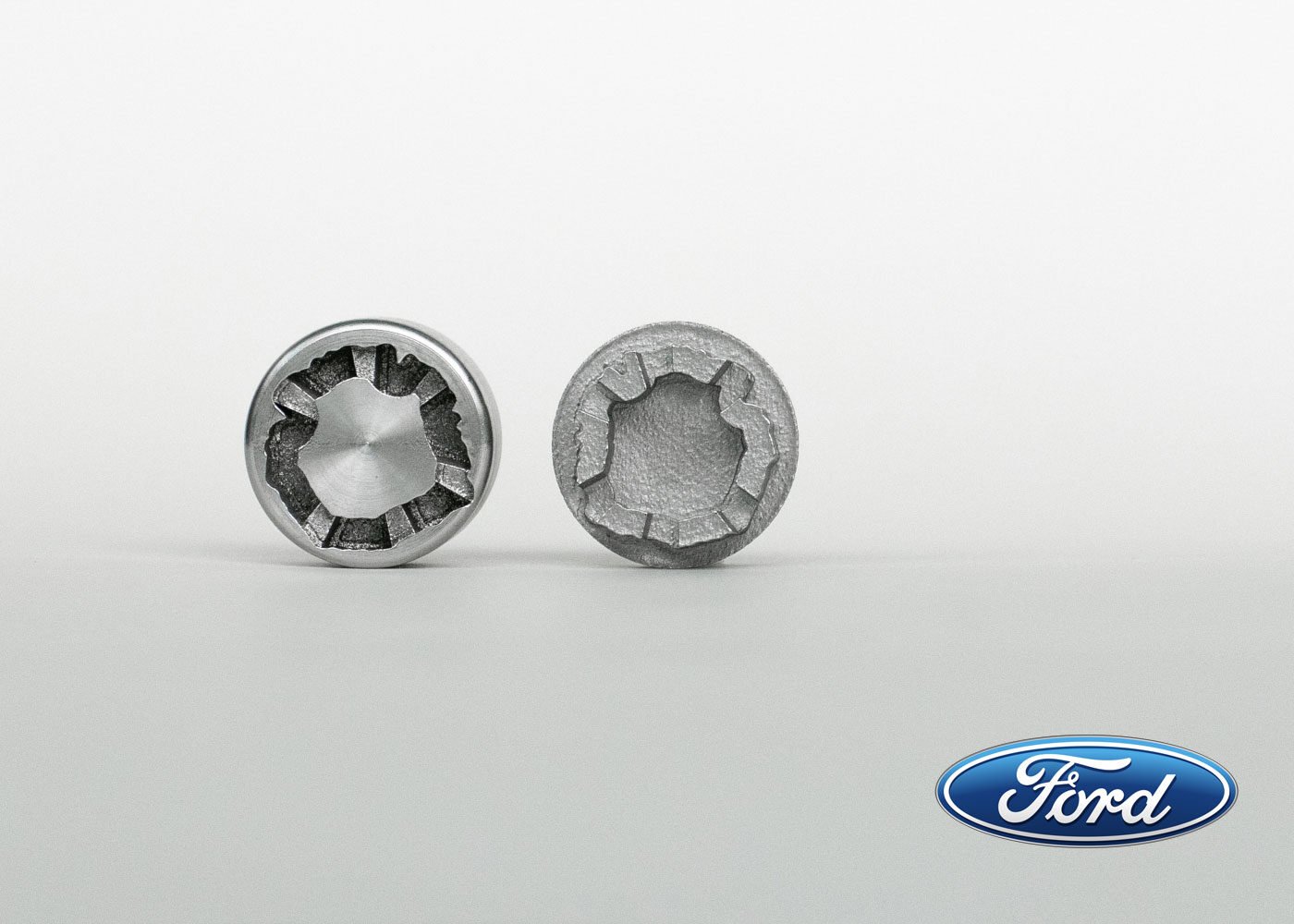
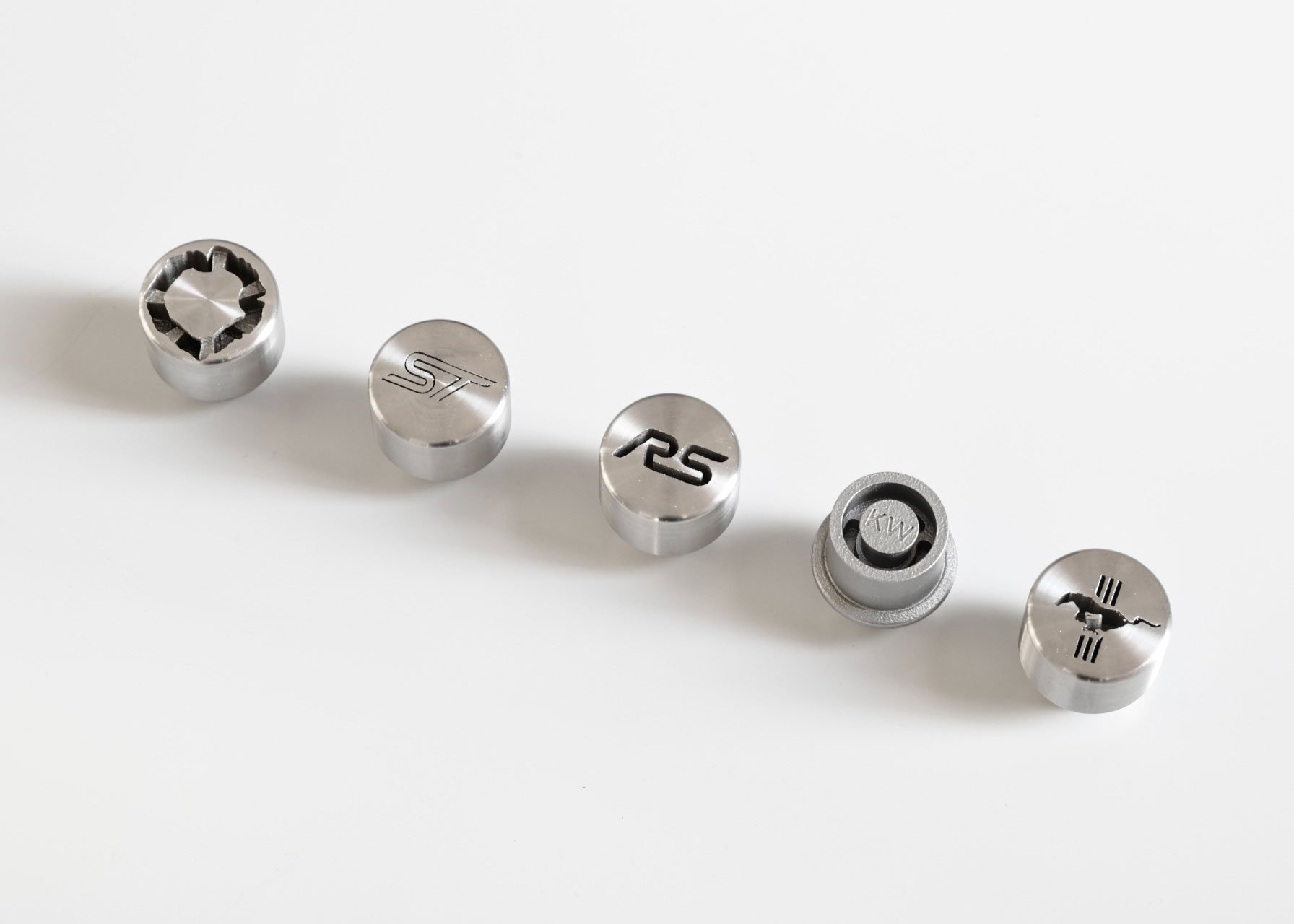
Ford created a digital workflow that enabled fully custom locking wheel nuts, each with a geometry generated from the driver’s voice pattern. In under a year, the team went from idea to validated part – proving a secure, functional concept that cannot be copied.

Location
Aachen, Germany
Industry
Automotive
Size
50,000+
Product
Custom solution
Every nut and key pair is uniquely designed and cannot be duplicated
From the initial concept to a fully validated, ready-to-use part
Custom geometry generated through a digital voice-based workflow
Ford and trinckle already have an established partnership, having worked together on automating the design of jigs and fixtures.
This project takes that collaboration further – applying the same principles to additive manufactured end-use parts.
As car security systems get smarter, thieves are shifting their attention to individual parts like alloy wheels. Locking nuts are meant to slow them down, requiring a special key to remove. But these keys are often reused across models and still sold as standard products – making them easier to get around than they should be.
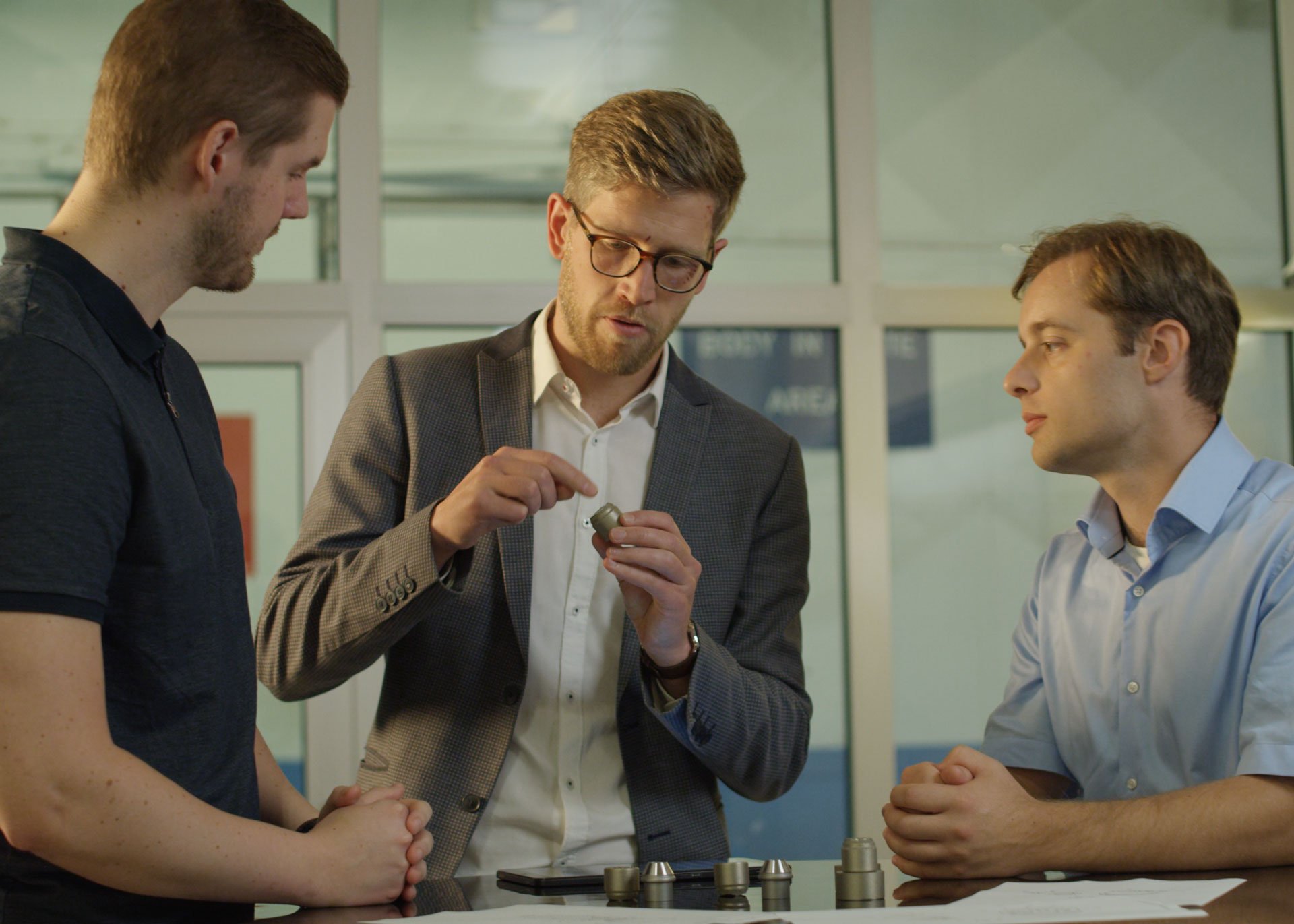
That was the starting point for Lars Bognar and Raphael Koch, engineers at Ford Research & Advanced Engineering Europe, to take a closer look at how design and production could be rethought.
"This is where trinckle came in and introduced an approach that allows each customer to intuitively create their own geometry: By voice input."
Ford Research & Advanced Engineering Europe
Since each locking nut had to be unique, Ford saw a chance to turn that into something personal for every driver. The challenge was scale – how to create individual designs quickly and easily.
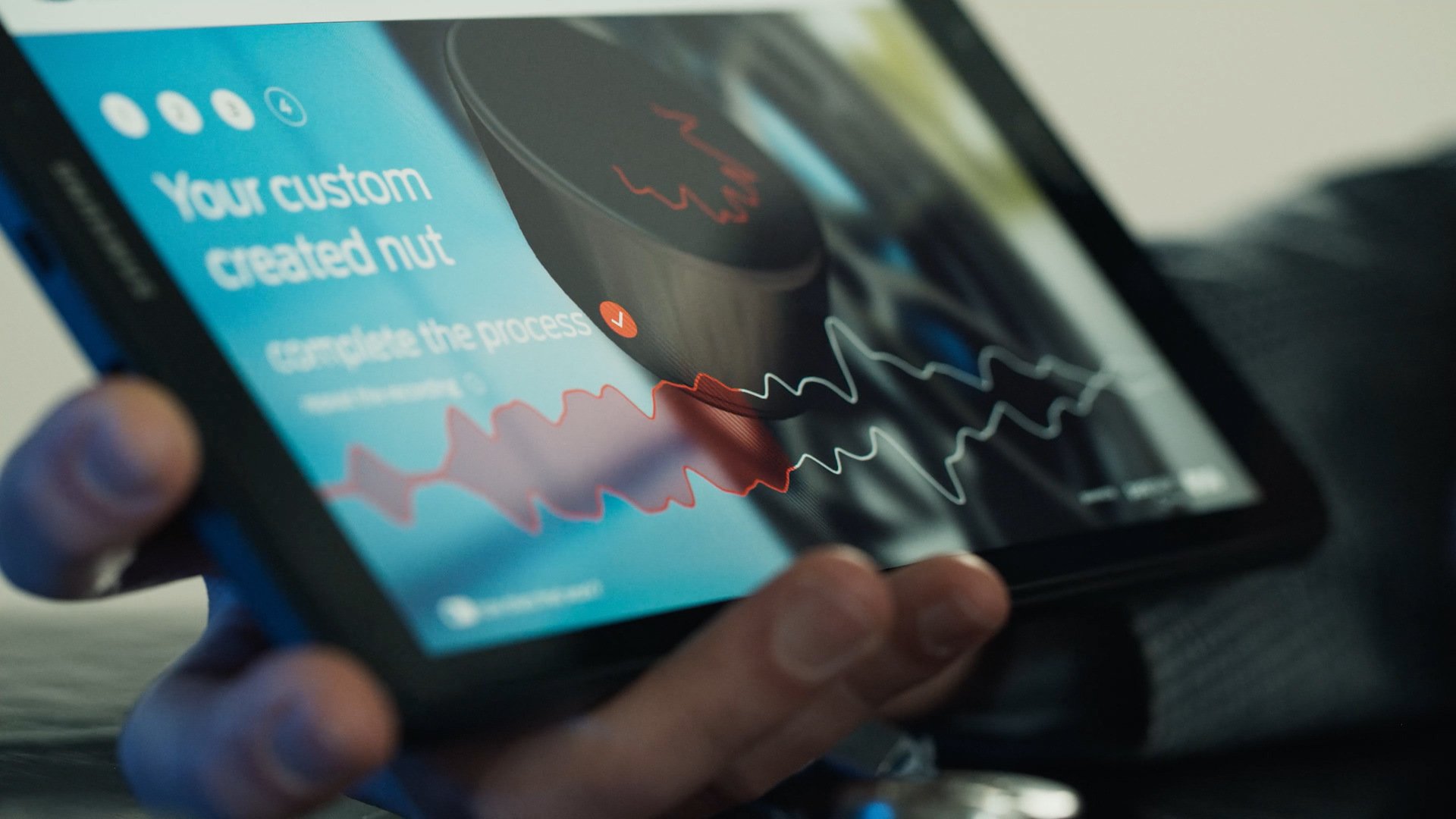
Just like like a fingerprint, every voice is different.
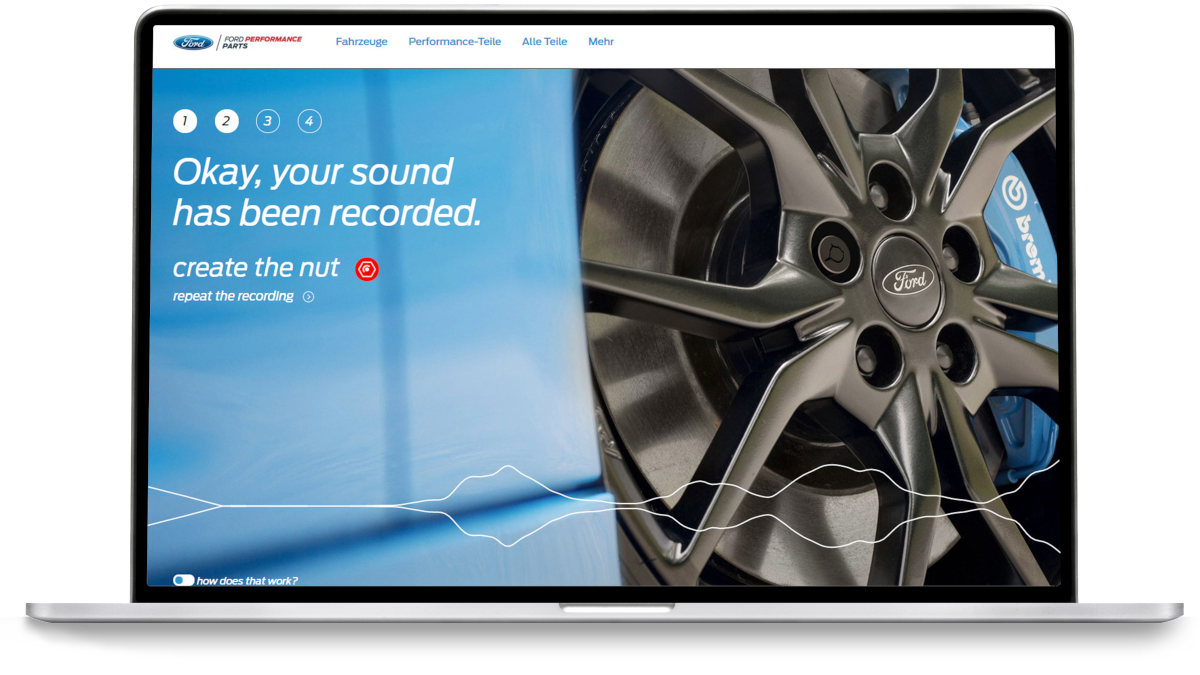
To make each locking nut truly unique, a short recording was converted into a physical pattern that defined the shape of the nut and its matching key. The process ran through an intuitive web-based application built on trinckle’s design automation platform, paramate – accessible from any standard laptop or smartphone.
It was then industrially 3D printed in metal, working with our technology partner EOS.
"In additive manufacturing, it’s crucial to work with experts in their fields – like EOS or trinckle – to move quickly and stay at the cutting edge."
Ford Research & Advanced Engineering Europe